

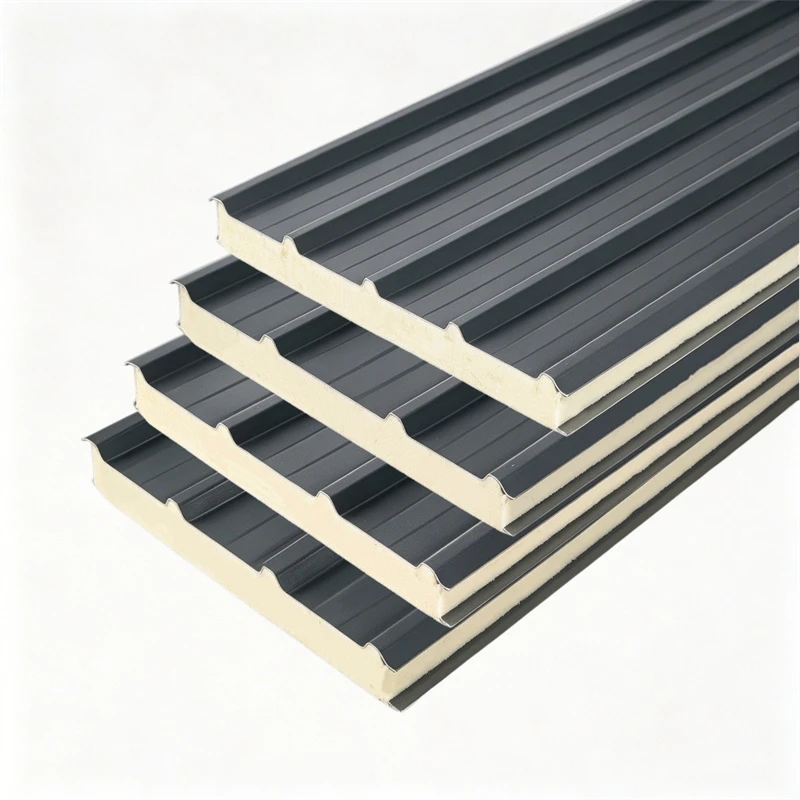
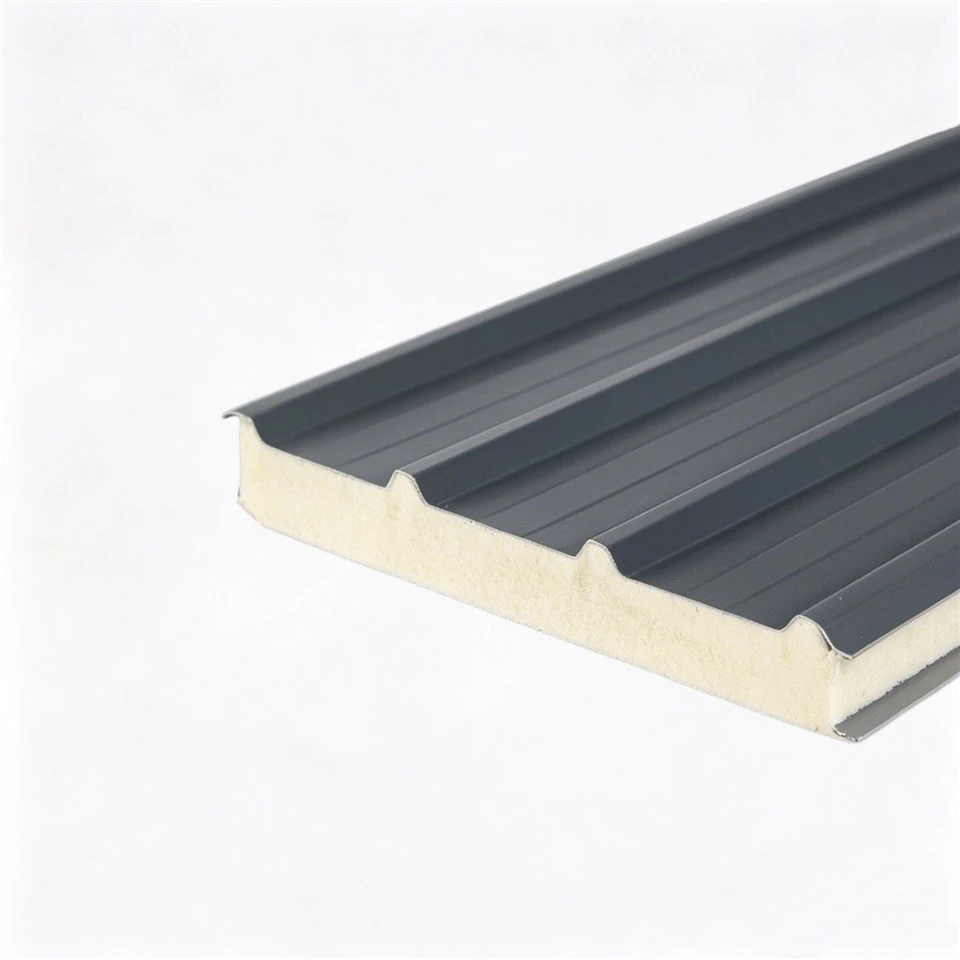
Shenyang Qiangyun Color Steel & Steel Structure Co., Ltd. is one of the most reliable manufacturers and suppliers of puff sandwich roofing panel in China. With abundant experience, we are committed to providing high quality customized products with competitive price. Welcome to wholesale advanced puff sandwich roofing panel in stock here from our factory. Also, pricelist is available.
Technical Specifications
|
Parameter |
Specification |
|
Product Name |
puff sandwich roofing sheets |
|
Material |
Non-combustible rock wool core + closed-cell PU edge seal, between two metal faces |
|
Surface Material |
PPGI/PPGL, galvanized, Galvalume, optional Al/stainless |
|
Core Material |
Mineral rock wool to EN 13162; rigid PU confined to the edge seal zone |
|
Panel Thickness |
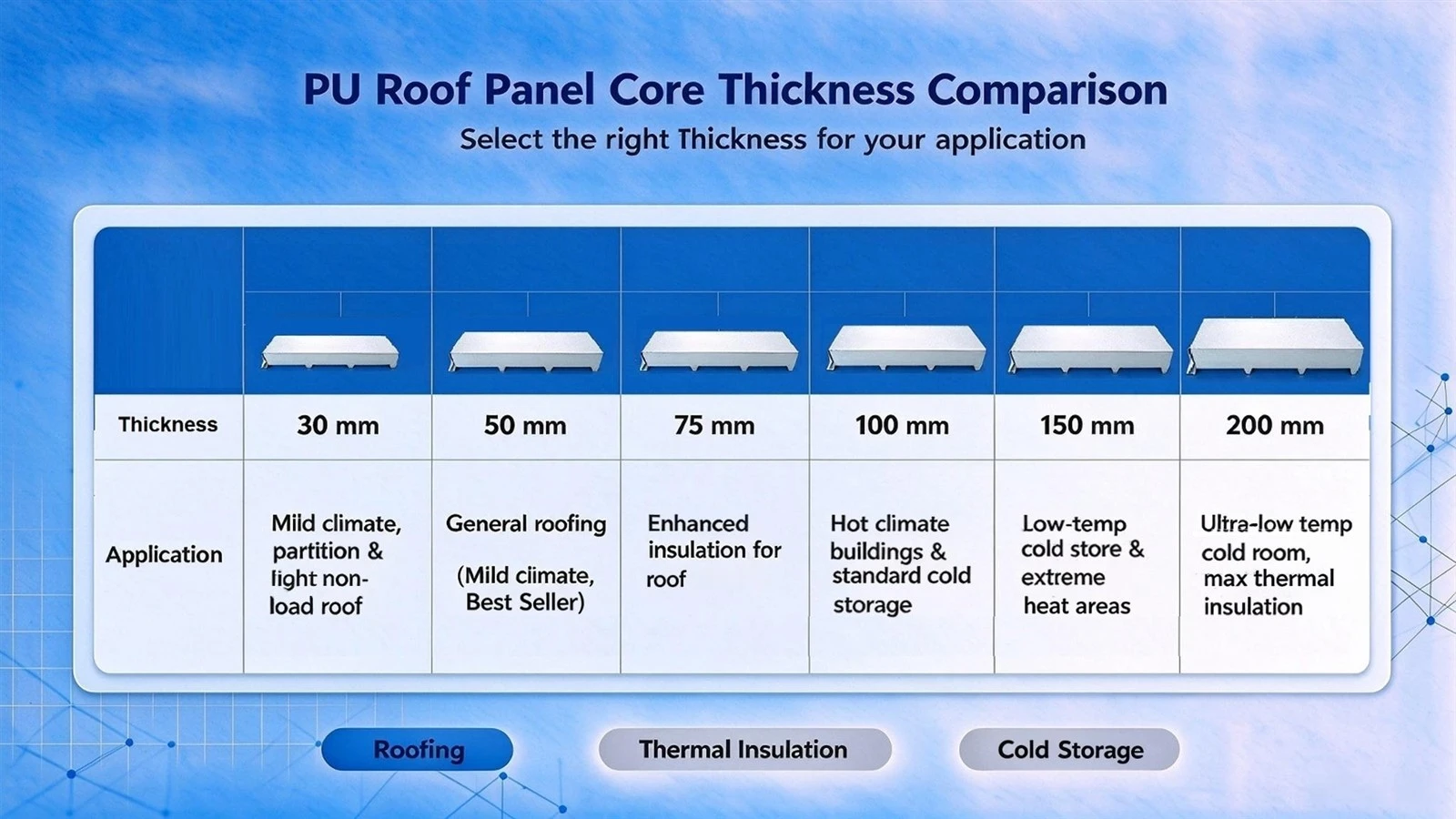
30 / 50 / 80 / 100 / 120 / 150 / 200 mm - 150 mm and up for frozen rooms |
|
Sheet Thickness |
0.3–0.8 mm |
|
Width |
950 / 1000 mm (custom available) |
|
Length |
Cut to panel schedule, maximum 11.9 m for a 40HQ container |
|
Core / Edge-Seal Density |
Rock wool 100-150 kg/m³; PU edge seal 38-43 kg/m³ |
|
Thermal Conductivity |
Rock wool core 0.036-0.040 W/(m·K); PU edge seal 0.022-0.024 W/(m·K) |
|
Water Absorption |
≤ 1.5% |
|
Reaction to Fire |
Euroclass A2-s1,d0 - EN 13501-1 (rock wool build-up); full PIR core B-s1,d0 - verify per thickness |
|
Connection |
Concealed-fixed corrugated / tongue-and-groove, sealed |
|
Custom Colors |
White and light RAL tones standard; hygiene finishes available |
|
Applications |
Frozen and chilled storage, food processing, pharmaceutical warehousing and clean corridors |
|
Service Lifespan |
20-25 years; joint sealing and vapour detailing govern life in cold rooms |
|
Internal Finish |
Smooth wipe-clean face with sealed internal joints for HACCP / GMP areas |
|
Place of Origin |
Liaoning, China |
How to choose the panels as the thickness?
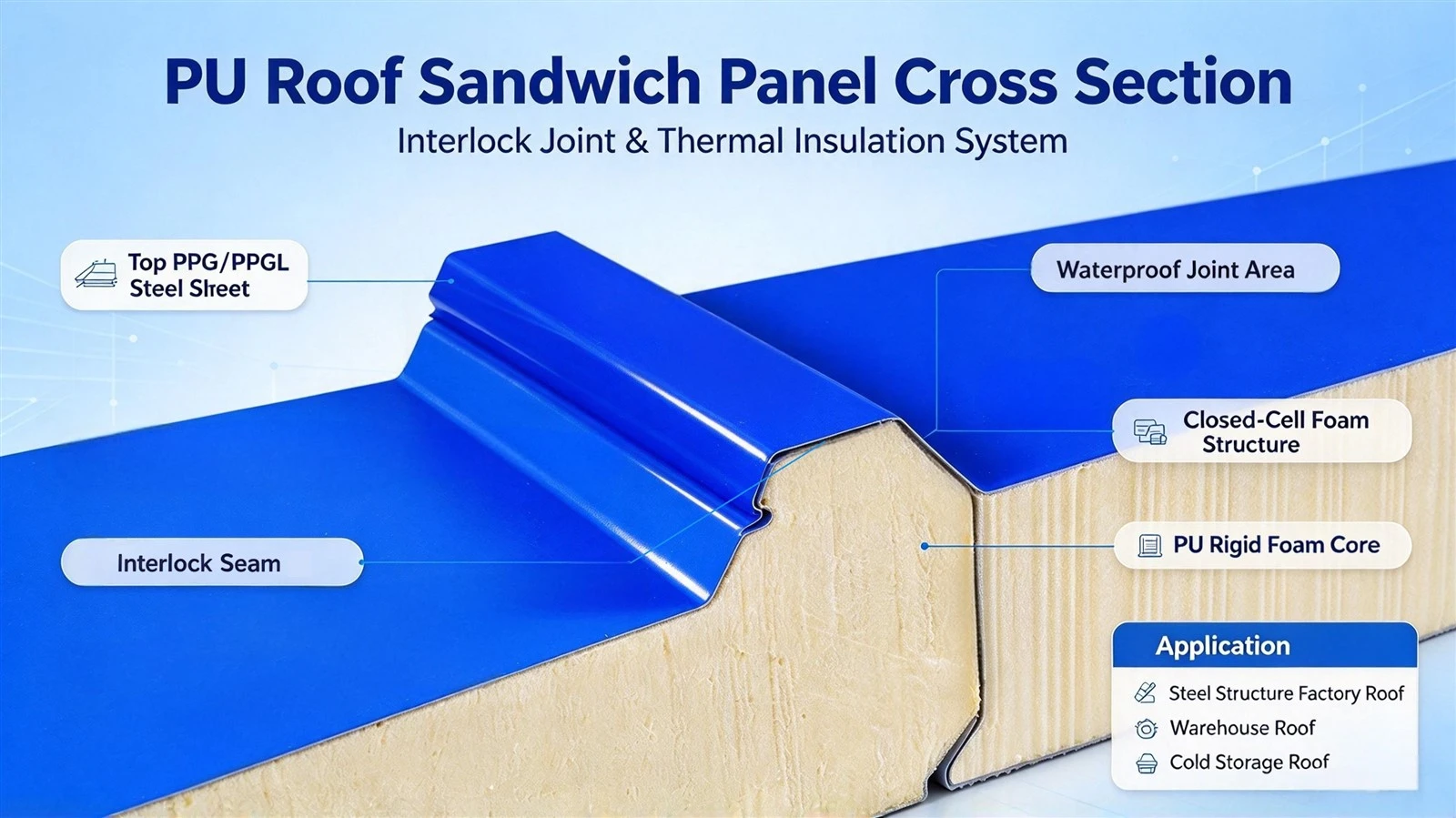
In temperature-controlled work, thickness follows the set-point. From lambda = 0.040 W/(m·K) the core-only 150 mm lands at about 0.27 W/(m²·K), 120 mm at 0.33, 100 mm at 0.40, 75 mm at 0.53 and 50 mm at 0.80 - core figures in every case, before adding 5-10% for joints and fixings; a PIR core upgrade roughly halves those figures if the fire class allows it. Our working guidance is 100 mm for chilled rooms held above freezing, 150 mm for frozen storage at minus 18 °C, and 200 mm for blast freezers or rooms with heavy door traffic. Do not specify the panel without also specifying the vapour control layer - the two are one decision.
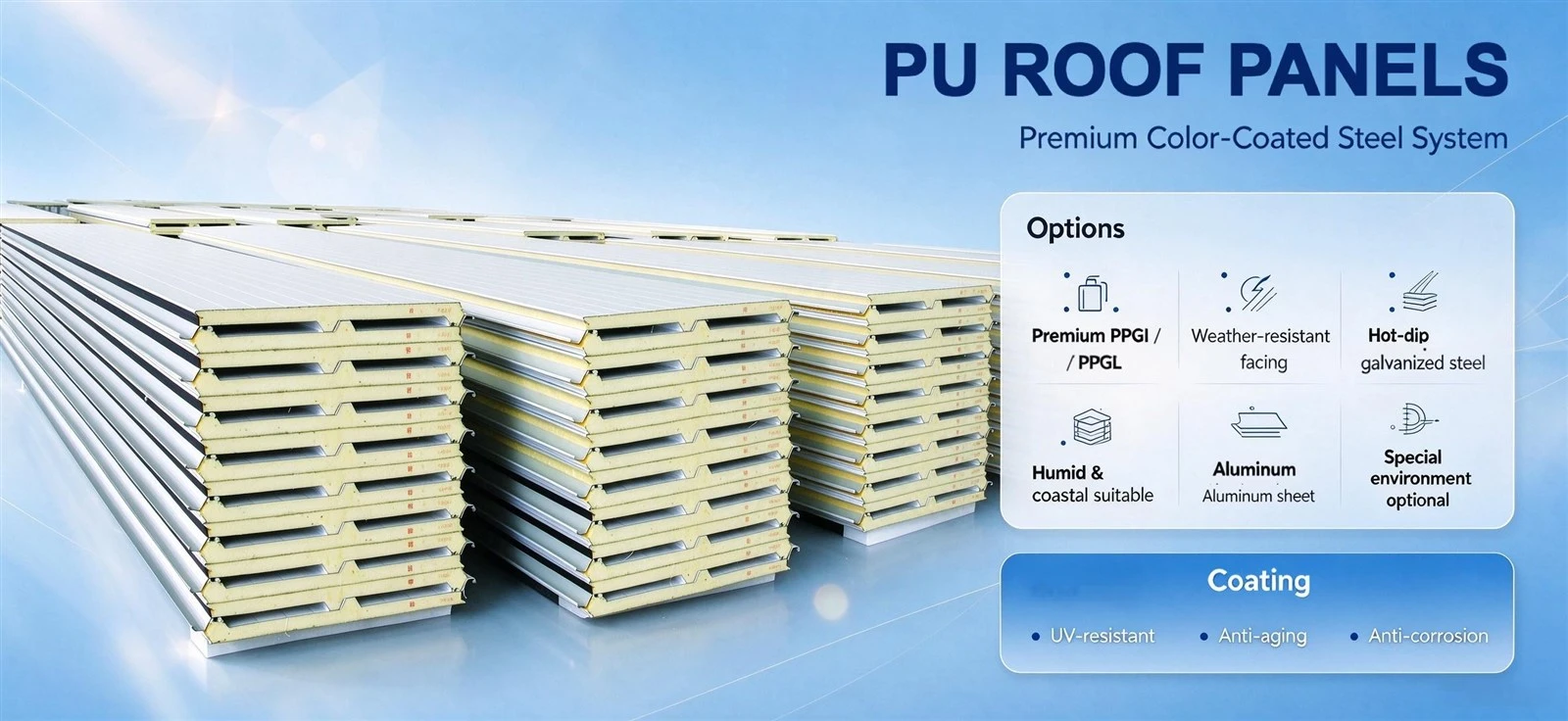
Surface Material & Coating Options
|
Option |
Guidance for temperature-controlled duty |
|
PPGI / PPGL pre-painted steel |
External face for ambient and chilled envelopes |
|
Hot-dip galvanized steel |
Where humidity is constant but there is no salt or chemical exposure |
|
Galvalume (aluminium-zinc) |
Coastal or wash-down environments; resists cut-edge attack |
|
Aluminium / stainless steel |
Recommended for direct food contact areas and aggressive cleaning regimes |
|
Coating |
PVDF or HDP externally; smooth cleanable finish internally - specify both, not one |
Color Customization
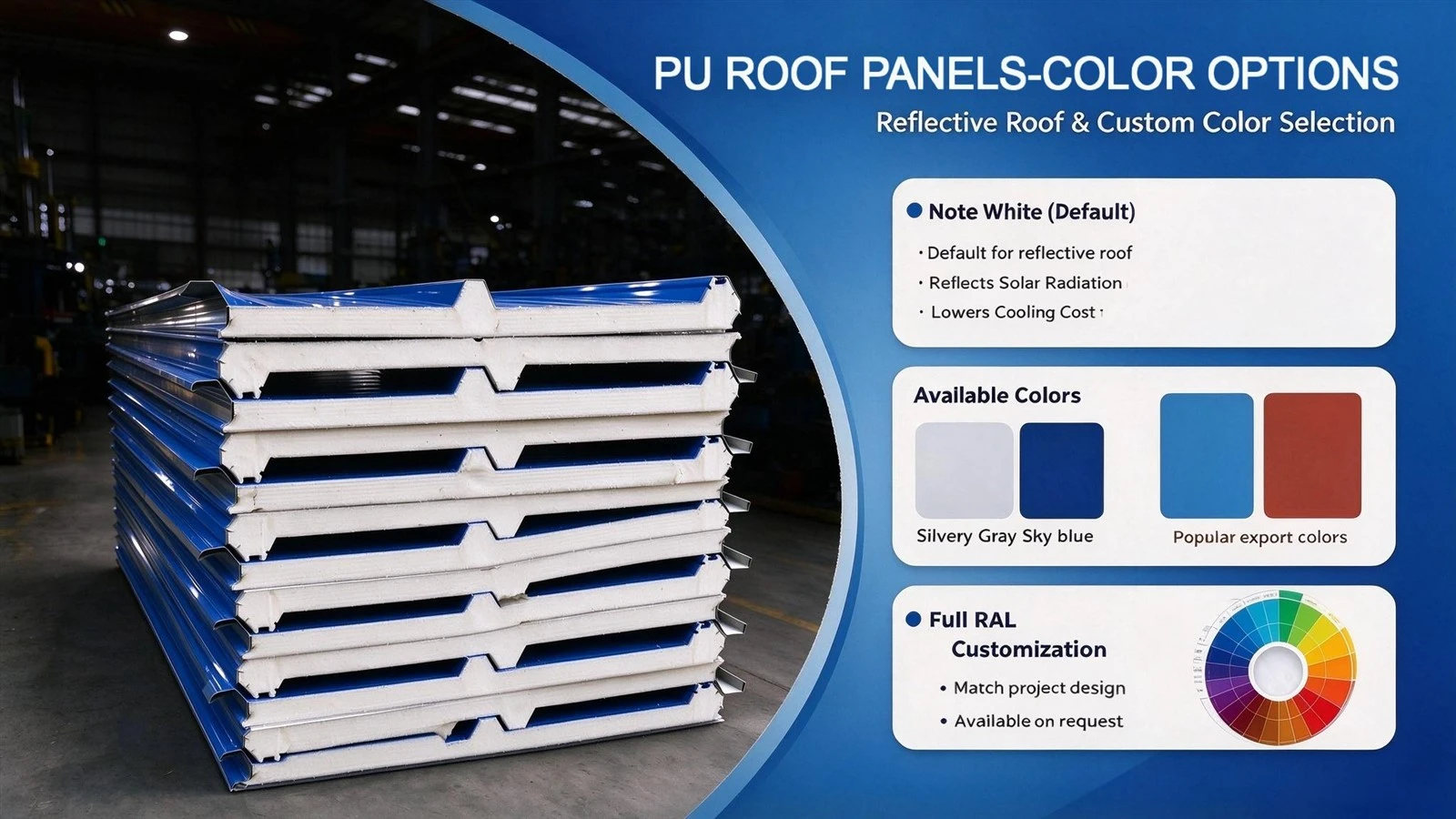
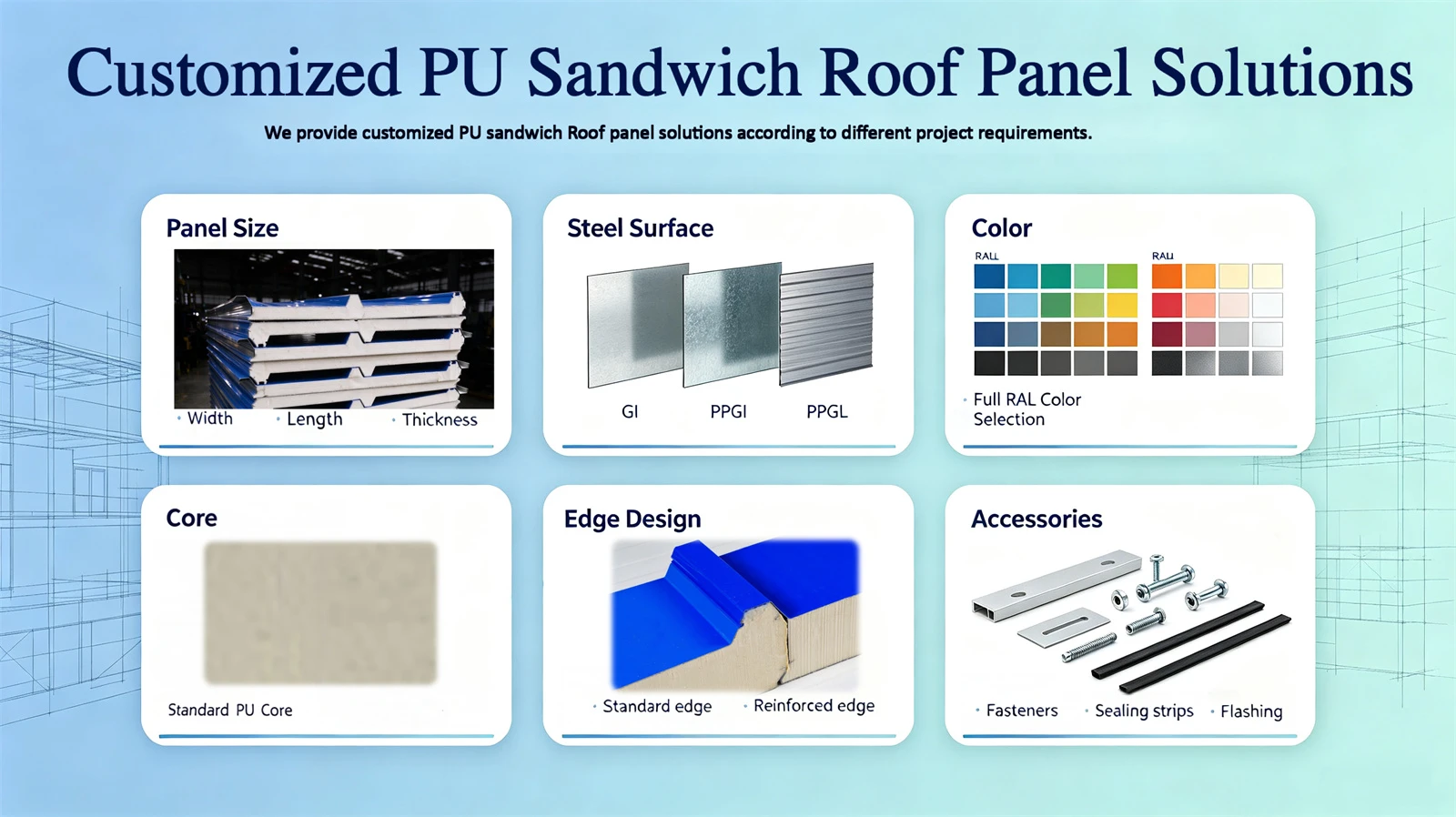
Faces are available in PE, SMP, HDP and PVDF to match the building grade and the cleaning regime, in any RAL colour, with thickness from 30 to 200 mm. For food and pharmaceutical interiors we recommend a smooth, wipe-clean finish and sealed internal joints rather than a profiled face that traps residue - and we will say when a cheaper finish will fail an audit rather than letting you discover it at inspection. Externally the same rule as anywhere: PVDF where UV load is high, and a substrate matched to the exposure.
White, light grey, sky blue and brick red are the standard stock colours, and we support custom treatment and thickness on PPGI and PPGL faces with matching to your architect's specification. In food and pharma projects the practical default is white, and not for appearance: it is the finish that makes contamination visible, which is exactly what an auditor is looking for. If a different colour is wanted for a corporate or zoning reason, choose from the light end of the RAL chart so the roof still rejects solar heat.
Application Scenarios
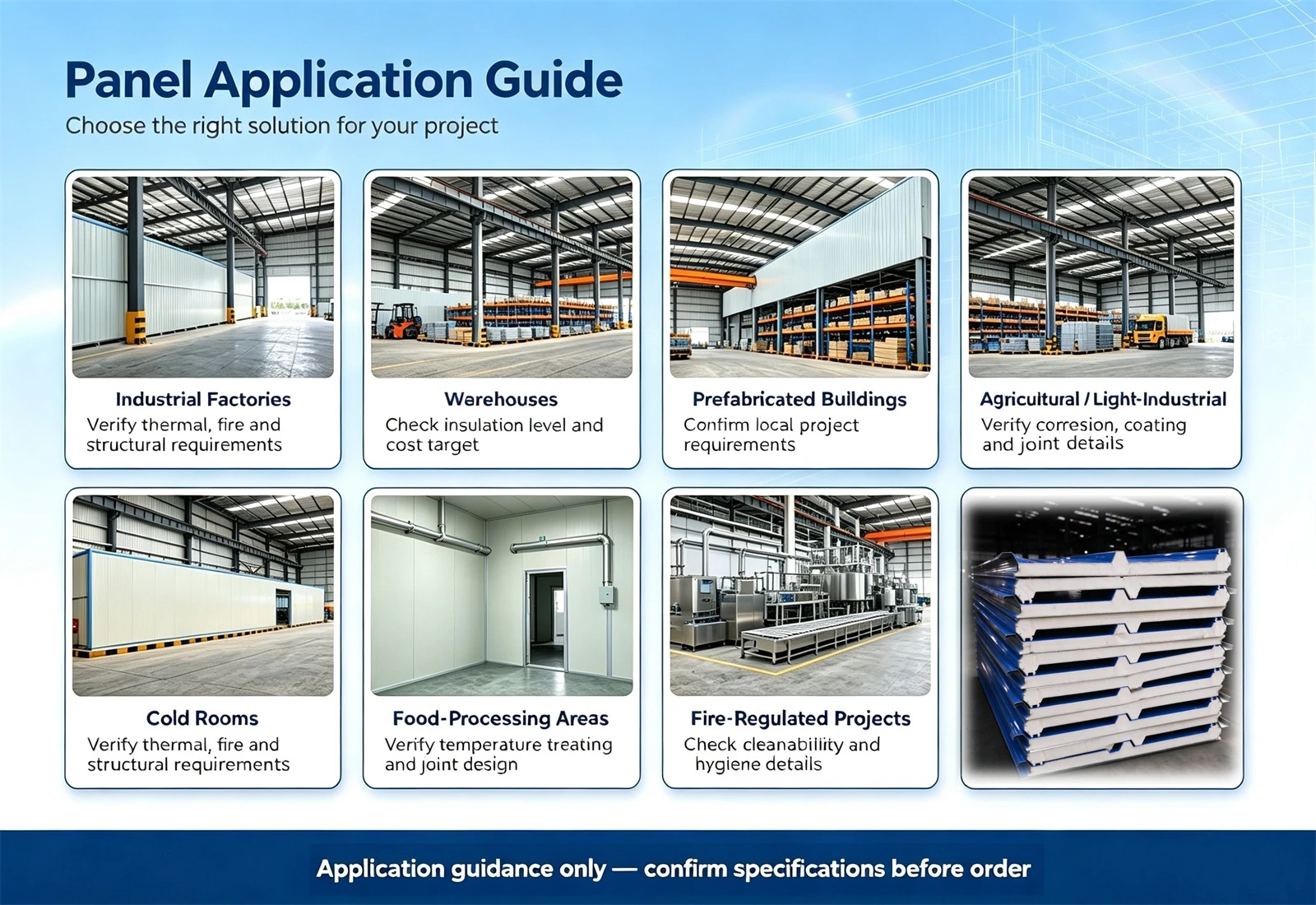
Built for temperature-controlled envelopes: frozen and chilled storage rooms, banana and fruit ripening chambers, meat and poultry processing halls, dairy and beverage plants, pharmaceutical warehousing and clean corridors, and central kitchens supplying retail. The common requirement is that the envelope has to hold a set-point, stay dry and be cleanable, which rules out several cheaper panel types immediately.
Project Reference
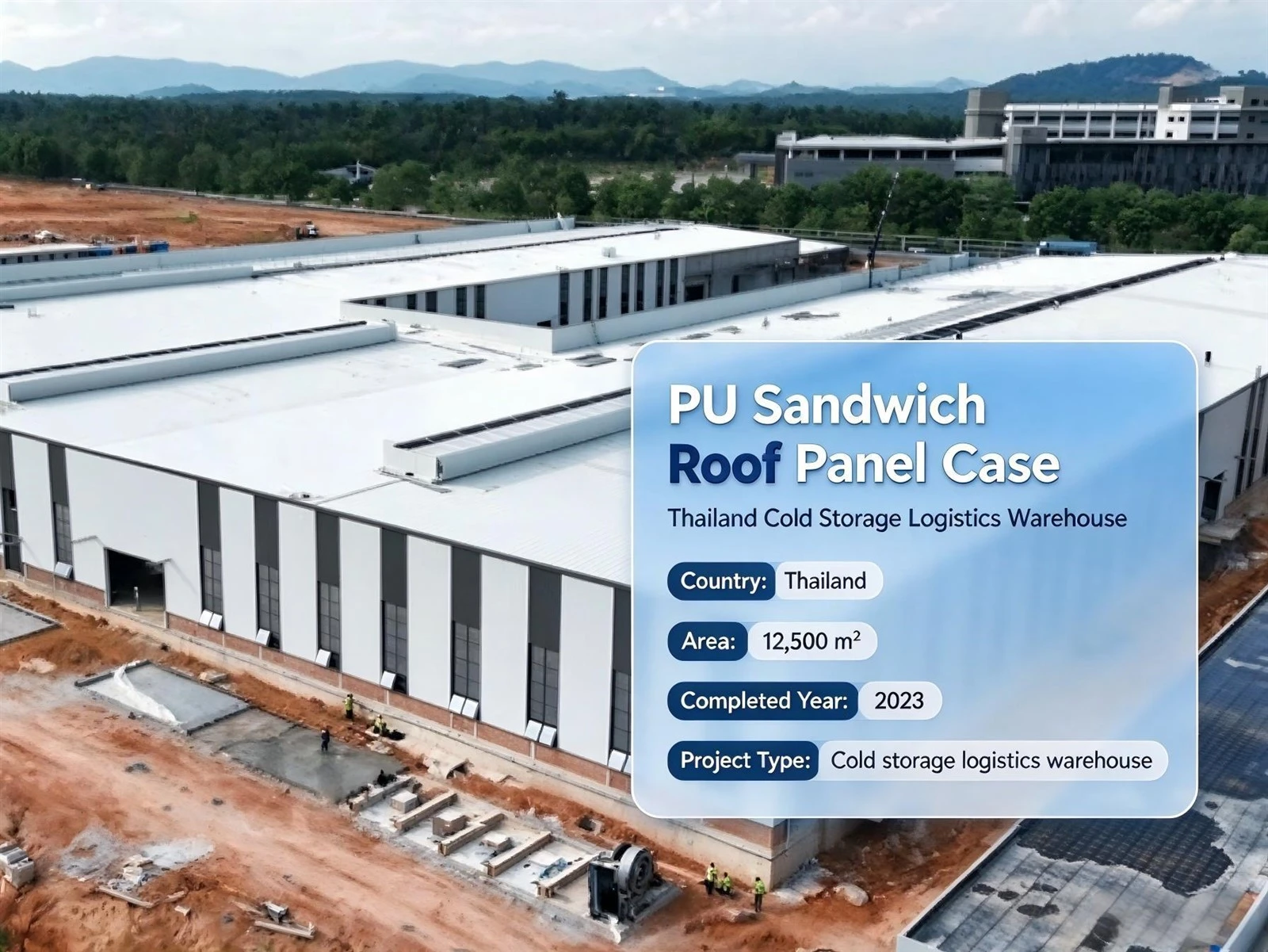
Bogota, Colombia - 5,100 m² pharmaceutical distribution facility with integrated cold rooms, delivered 2022. The building combines ambient warehousing with a minus 20 °C room, so the specification had to prevent vapour drive into the insulation at the interface between the two - the classic place where cold-store panels fail. We supplied 150 mm panels for the frozen envelope and 100 mm for the ambient roof, with sealed internal joints and a vapour control layer detailed at the change of temperature zone. Hygiene finishes were specified for the internal faces. The client passed their GMP-related inspection without an envelope finding. Individual results depend on your own design and operation, so we supply the panel and coating certificates rather than promising an audit outcome.
Customization & OEM Service
Thickness 30-200 mm with widths and lengths cut to the panel schedule; Galvalume or galvanized faces with PE, SMP, HDP or PVDF finishes; full RAL; PIR core upgrade where a lower lambda is required by the green standard; OEM labels and matching ridges, flashings, seal strips and low-temperature gaskets. For cold-store work we will also review the vapour control layer and the joint detailing with your designer before production, because those two details decide whether the insulation stays dry, and once they are wrong on site no panel will save the room.
Certifications & Compliance
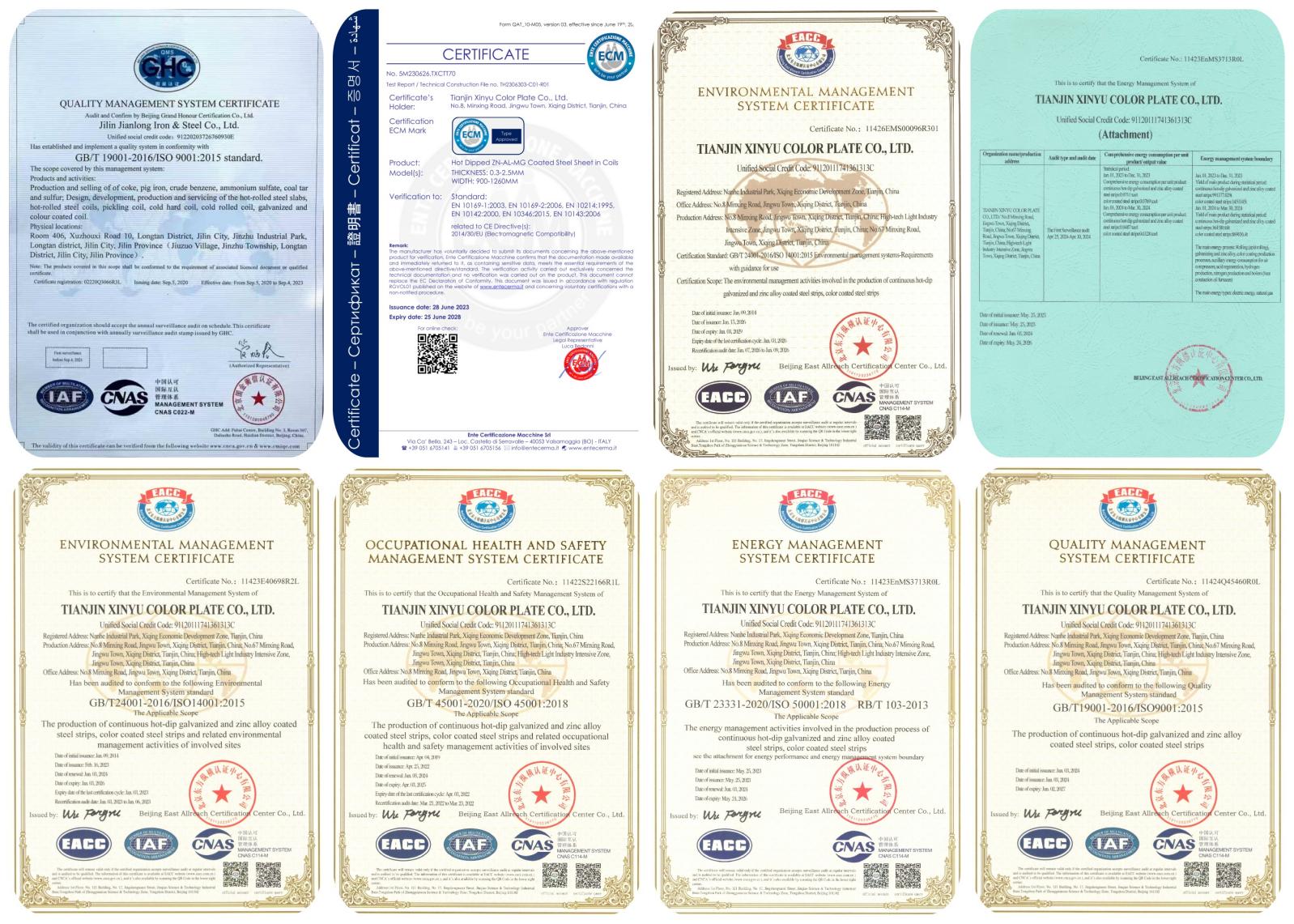
Documentation is prepared for the people who will actually audit the building: EN 13501-1 classification for the build-up ordered, EN 13162 conformity for the mineral wool core, EN 14509 data for the panel assembly, EN 12667 thermal conductivity, and hygiene-related evidence for the specified internal finish. Mill certificates are released with every coil. Where a client is working to HACCP, GMP or a national food standard, we will tell you precisely which parts of the evidence we can supply and which have to be created by your own validation process - that distinction matters and vague certificates do not survive an audit. The plant operates to ISO 9001, ISO 14001 and ISO 45001.
Lead Time, MOQ & Trade Terms
|
Item |
Detail |
|
Lead Time |
Allow 2 working days for samples, 5-7 days up to 5,000 m², 7-15 days for 10,000-50,000 m², and 10-18 days after drawing approval for a custom profile or coating. |
|
Minimum Order |
1 m² for samples; 20GP container minimum for export freight |
|
Trade Terms |
FOB / CIF / CFR / DDP under Incoterms 2020 |
|
Payment |
T/T or L/C at sight; terms stated on the proforma invoice |
|
Packing & Documents |
Sequenced by panel schedule, protective film, corner guards, fumigated pallets plus low-temperature gaskets and sealants |
Company Profile
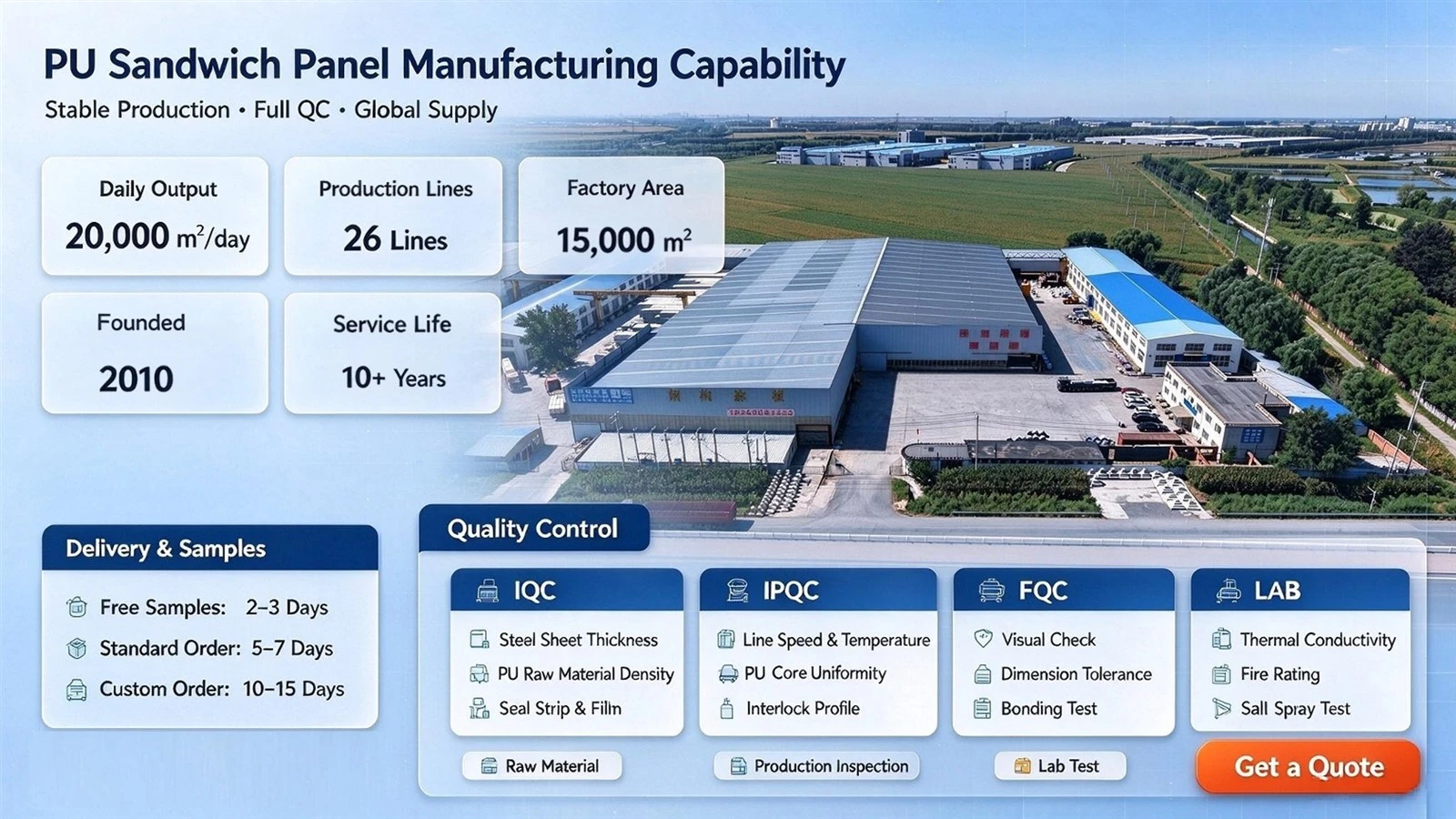
Tell us the set-points, the zoned areas, the internal finish requirement and the destination port, and we will come back with a thickness and joint detail, a vapour control recommendation, and a loaded quotation - normally within one working day. We have manufactured insulated panels since 2010 in a 15,000 m² Liaoning plant running 26 lines at roughly 20,000 m² per day. Cold-store work rewards specificity, so the more precisely you describe the room, the more useful our answer will be.
FAQ
Q1: Will the insulation stay dry in a frozen room?
A: Only if the vapour drive is detailed, not just the thickness. Moisture migrates toward the cold side and condenses inside the insulation unless a vapour control layer is correctly placed and every joint is sealed. We review that detail with your designer before production, because it is the single most common cause of cold-store panel failure.
Q2: What internal finish do food and pharma clients need?
A: A smooth, sealed, wipe-clean face with sealed internal joints. A heavily profiled face traps residue and will not pass a hygiene audit, however cheap it was. We will tell you when a lower-cost finish is going to be rejected rather than letting you discover it at inspection.
Q3: Can one panel type serve ambient and frozen zones?
A: Yes, and it is usually the right approach - but the thickness and the vapour detail change across the interface. We supply 100 mm for the ambient roof and 150 mm or more for the frozen envelope, and we detail the vapour control layer at the change of zone, which is where these buildings normally fail.
Q4: How do you support an HACCP or GMP audit?
A: By supplying evidence, not assurances: the classification and thermal reports, the mill certificates, and hygiene data for the specified finish. We will also state clearly what we cannot evidence, because your own validation has to cover that and a certificate that overclaims is worse than none.
Related Sandwich Panel Products
In cold storage the tempting choice is PIR: lambda 0.022 means the thinnest possible wall for a given U-value, which is real money on a large frozen box. The trade-off is Euroclass B-s1,d0, and in a food plant with hot processes or a pharmaceutical store, that may not be acceptable to your insurer. EPS is cheaper still and loses on both counts. The rock wool core here carries A2-s1,d0 and holds its shape in fire. We will quote both with their classifications and let your risk assessment, not our margin, settle it.
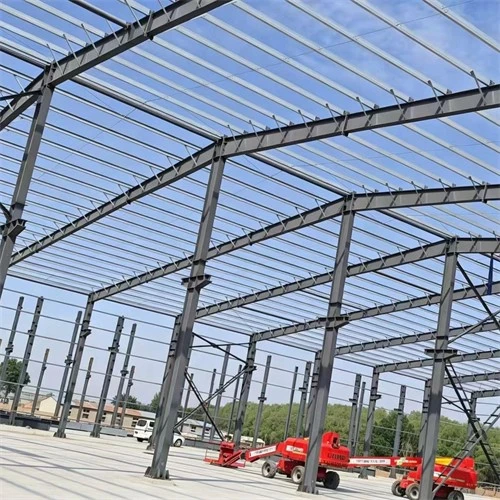
Steel Structure
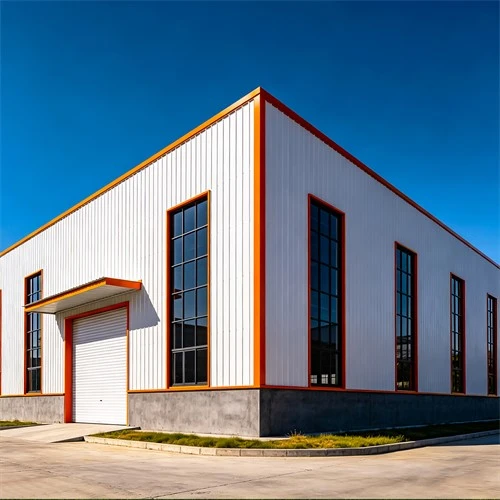
Steel Structure
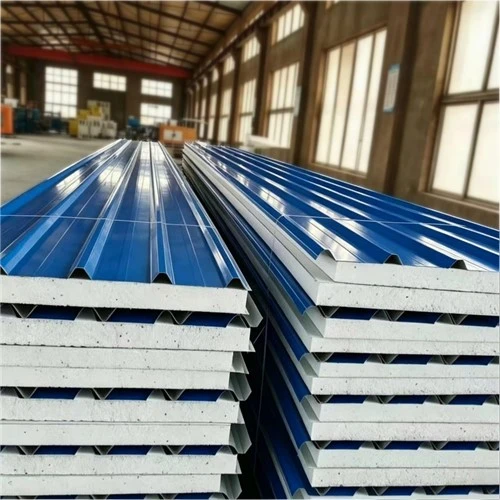
Eps Composite Panels
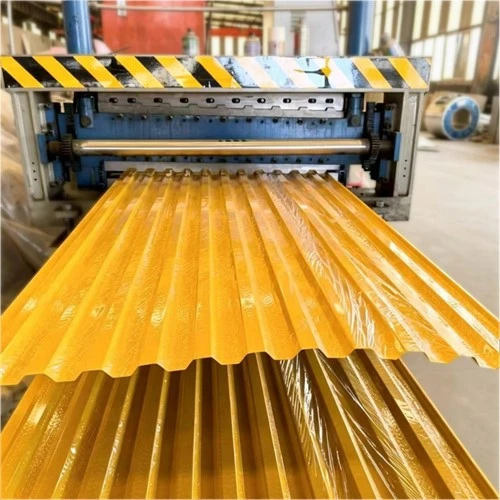
PPGI/PPGL Sheet
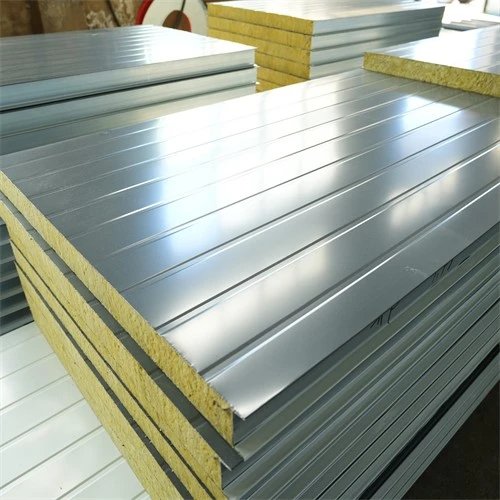
Rockwool Sandwich Panels
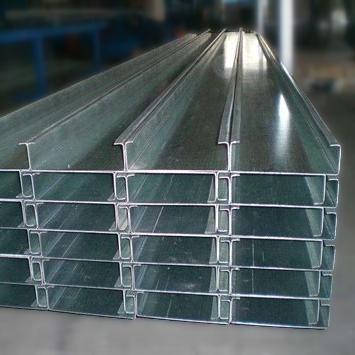
C and Z purlin
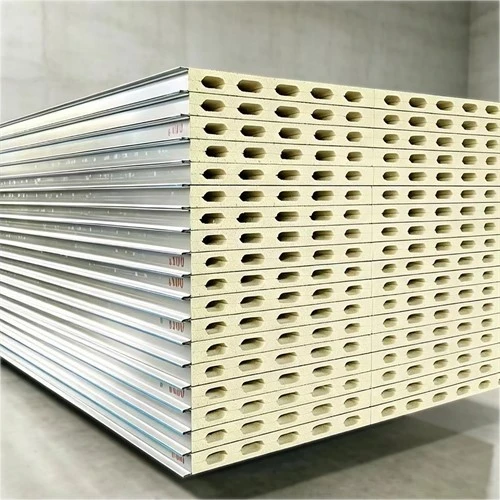
Clean Room Sandwich Panel
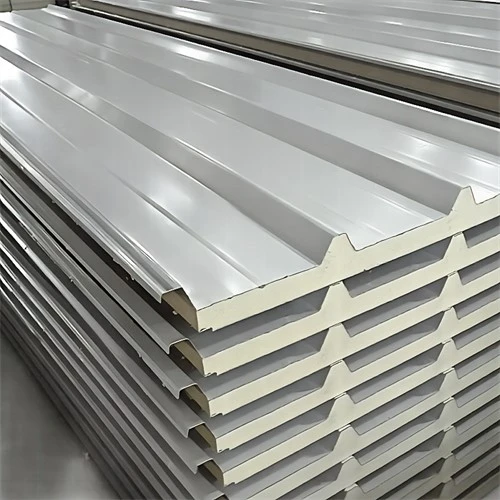
PIR Sandwich Panel
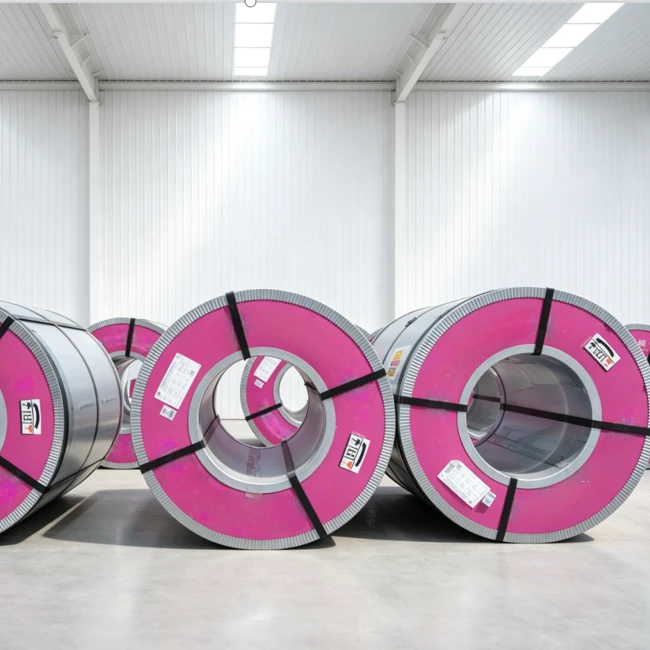
PPGI/PPGL Coil
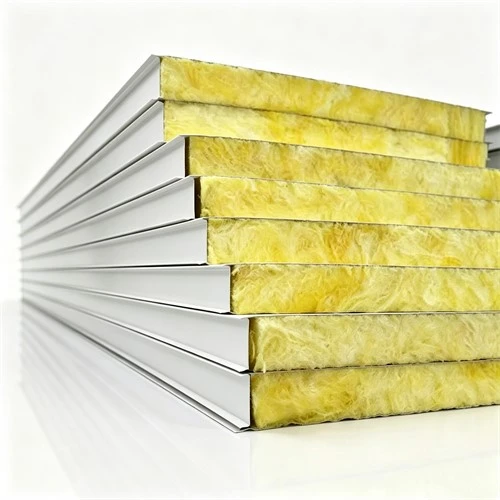
Glasswool Sandwich Panel
Hot Tags: puff sandwich roofing panel, China puff sandwich roofing panel manufacturers, factory


